This article was written by Marlene Paibomesai and originally published in the August 2018 issue of the Dairy Goat Digest. What is colostrum? Colostrum is the first secretion from an udder after birth. Colostrum is rich in nutrients and immune factors, such as immunoglobulins and immune cells that are important for immune and digestive system development (Sanchez-Macias et al., 2014). Colostrum is higher in protein, fat, growth hormones and immune factors than milk. Why do newborns need colostrum? Unlike other mammals, ruminants transfer limited amounts of immunoglobulins and other immune factors from the dam to the fetus during pregnancy. Instead, the majority of immune factors are transferred through colostrum to the goat kid after birth. This is called passive immunity.…
All posts in Nutrition

Coping with Hail Damage to Forage Crops and Pastures
This list details actions Ontario farmers could take to minimize the impacts of hail damage after a storm.
Body Condition Scoring (BCS) Study
This article was written by Kristy Blankers and Delma Kennedy. Introduction This summer, a benchmarking project was undertaken to determine how goats can be efficiently body condition scored and to collect industry information on typical body condition scores in different stages of lactation. In December 2023, a questionnaire was sent out through the Dairy Goat Digest to collect information on how body condition scoring is used in the industry and the need for additional resources on body condition scoring goats. The results of the survey and summer project are outlined below. Survey Results Thank you to those who took the time to complete the survey! There were 33 producers who responded to the survey. Of the respondents 51.5% were milking less…
Managing Metabolic Challenges in Dairy Ewes During Lambing
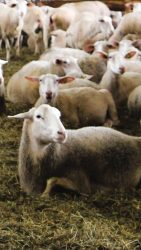
The transition period can bring many challenges to ewes. The transition period is the weeks leading up to and after lambing. The ewe is transitioning from a non-lactating, pregnant state to a lactating, non-pregnant state. Metabolic challenges can arise in the last 3-6 weeks of gestation before lambing and last into early lactation. What is Ketosis? The term ketosis is derived from ketone bodies, produced when the body breaks down stored fat for energy, also known as lipid mobilization. In ewes, this occurs during increased energy requirements in late pregnancy and early lactation. A negative energy balance occurs when energy consumed does not meet the current physiological energy demand. In a less technical phrase, there needs to be more groceries…
Make Better Use of Your Feed; Sampling is What You Need! Part 1: Taking a Proper Feed Sample
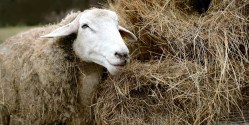
Learn about proper procedures for collecting feed samples.
Maximize the Quality and Safety of Feed delivered to your Farm
Phillip Wilman of OMAFRA explains how to maximize the quality and safety of feed delivered to dairy goat farms.
Impacts of Feed Behaviour on Dairy Goat Production
Marlene Paibomesai, a Dairy Specialist with OMAFRA, explains how feeding behaviour and feeder height can impact dairy goat production.