This series of short videos have been created to help guide producers through the process of using the Dairy Goat Cost of Production Benchmarking Tool in Excel. Each video covers an individual producer tab. Providing step-by-step instructions on how to enter the data correctly into the cells. Along with highlighting some of the information calculated and provided by each tab. To get the most out of the tool producers should try to fill out the information as completely and accurately as possible. Access all the videos here. Learn more about and access the Dairy Goat Cost of Benchmarking Tool here. Introduction Video This video provides a general overview of the tool. Covering some benefits of using the tool, the information…
All posts tagged Goats
Dairy Goat Cost of Production Calculation and Benchmarking Tool
The purpose of this tool is to help dairy goat producers calculate their cost of production per litre and per doe, and to compare individual results to an industry benchmark; the aggregated performance results of other producers within the Ontario dairy goat industry. The industry benchmark is based on an average of production information from the 2019 to 2021 calendar years. The benchmarks represent production information from a sample of participating farms in the province and may not necessarily be statistically significant as representing the dairy goat industry as a whole. Excel is required to run this tool. Download a copy of the Excel spreadsheet tool below (Updated: March 27, 2023) Need help navigating the tool? View the Goat COP…
New! Publication 30: Guide to Forage Production
Publication 30: Guide to Forage Production is a comprehensive guide to forage agronomy. It has information on establishment, fertility, weed management and weather stress for many species grown as forage in Ontario. It also covers harvest and storage of forage crops and understanding a laboratory forage analysis. To download a free PDF version or order a paper copy, click here. ~~~~~~ La Publication 30F, Guide de production fourragère, constitue une source de renseignements détaillés sur les pratiques agronomiques en production fourragère. On y trouve de l’information sur l’établissement, la fertilité, la lutte contre les mauvaises herbes et le stress thermique, applicables à de nombreuses espèces végétales cultivées comme plantes fourragères en Ontario. Ce Guide traite aussi de questions concernant la récolte et l’entreposage des fourrages et…
Goat Genetic Improvement Webinar Series – Key Messages
In July, OMAFRA hosted a series of webinars on topics related to goat genetic improvement. The webinars were held on July 20th, 22nd, 27th and 29th, with speakers presenting on aspects of genetics and genetic improvement programs for both meat and dairy goats. This post summarizes some of the key take-home messages from the presentations. If you’re interested in learning more, full video and podcast recordings of the presentations are available below. Click the links below to go directly to the presentation you’re interested in learning more about. Not sure where to start? Check out the Overview of Presentations to hear the key messages from all of our presenters. Overview of Presentations Keep or Cull: Strategies for Replacement and Culling…

Pregnancy Scanning: Management Tips
This blog post was adapted from the OMAFRA Factsheet “Pregnancy Scanning: Management Tips” (AGDEX 433/22) by A. O’Brien. Introduction Pregnancy scanning, using real-time ultrasound equipment, is a useful management tool for Ontario sheep and goat producers. When scanning is performed within the recommended time frame by trained professionals, accuracy of identifying animals that are not pregnant and counting the number of fetuses is high. Pregnancy scanning can be used to assign open ewes to new breeding groups, make culling decisions, and optimize feeding management based on expected litter size. Benefits of Ultrasound Scanning Factors Affecting Ultrasound Scanning Accuracy For producers to get the maximum benefit from pregnancy scanning, factors affecting accuracy need to be well understood. Some of the factors…
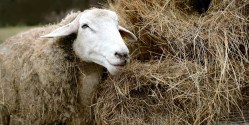
Make Better Use of Your Feed; Sampling is What You Need! Part 1: Taking a Proper Feed Sample
Learn about proper procedures for collecting feed samples.
CAP Special Provisions and Farmer Mental Health Resources
Article: Owning a farm is much more than a business; it is a way of life. As with most businesses, there are some very stressful times that can weigh you down. During busy seasons or critical production periods, it is normal to be faced with time constraints and pressures and facing major financial issues can multiply these pressures many times. During these times, and with the added reality of COVID-19, these demands can put anyone involved in the business of agriculture under a great deal of stress, often impacting one’s mental health. The Ministry of Agriculture, Food and Rural Affairs (OMAFRA) cares about the well-being of farmers and farm families and recognizes the unique challenges that can lead to mental…
August 2020 Forage Report
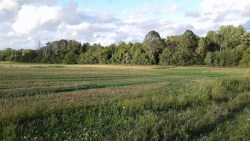
Photo: Many winter wheat fields were planted to an annual forage crop after harvest this year. Premiums for summer-seeded New Forage Seeding insurance are due to Agricorp September 15. Silage corn growers should check fields for rootworm resistance to Bt hybrids Scouting for corn rootworm injury in silage fields is important to detect potential resistance to rootworm Bt traits and to plan management options for the next growing season. It is especially important to report any fields showing signs of suspected resistance to your corn agronomist and the provincial entomologist. High Risk Fields for Resistance to Occur Include: Scouting Guidelines to Determine Possible Rootworm Resistance are available on Field Crop News. Scouting should occur in early September, before silage harvest. Rotating out…
Predation Prevention Tools for a Goat Herd
When faced with the on-going threat of predation to your herd some proactive steps can be implemented. It should be noted that even with the best prevention strategies in place, predation can and/or will still occur. When considering prevention practices, it is important to consider the level of predation (for example, the dollar value of loss), time of year, location, past history, cost of each predation prevention strategy, and the amount of protection offered. There are different options for predation prevention strategies with some being more effective than others. Options include, but are not limited to, fencing, livestock guardian animals, hunting, trapping, night time enclosures and deterrents (lights, radio, bells, etc.). It should be noted that night time enclosures…
Marketing Meat Goat Kids
When making the decision on where to market meat goat kids, a variety of options exist. It is important to keep in mind that the consumer is ultimately the person who will be purchasing the product. In the value chain found in Figure 1, the consumer is at the top of the diagram as they truly drive the system. With no end user, there would be no demand for the product. In the simplified Figure 1 diagram, this is only one example of how a value chain might work. There are different marketing methods depending on individual preferences. Marketing methods for meat goats include: With this list in mind, it is essential to weigh the advantages and disadvantages for…